

What Are Wollmatten?
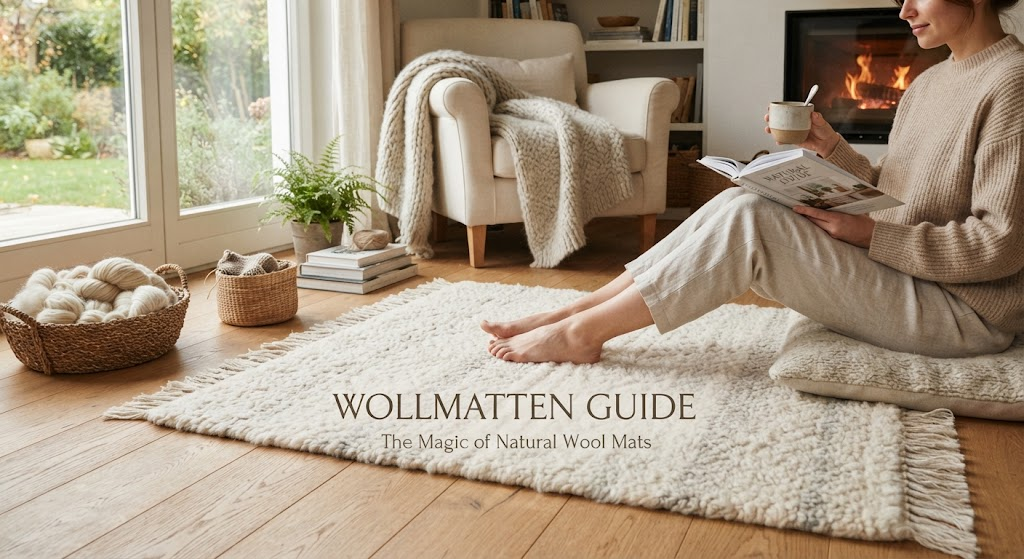
Have you ever heard of wollmatten? It is a fun word that simply means wool mats. The term comes from the German language where “wolle” means wool and “matten” means mats. These wonderful items are made mostly from natural sheep fleece. People have used sheep wool for hundreds of years because it is strong, cozy, and very useful. Unlike plastic or synthetic rugs, a true wollmatte brings a piece of nature right into your living space. They are crafted by pressing, weaving, or felting wool fibers together into thick sheets. Today, families love using them to make cold floors feel much warmer and softer. They add a touch of rustic charm and absolute comfort to any room in your house.
Table of Contents
The Rich History of Wool Mats
Long before modern factories existed, people relied on animal fibers to survive cold winters. Craftspeople discovered that raw sheep fleece could be pressed tightly together using warm water and friction. This clever process creates thick felt. Ancient families used these early wollmatten inside tents and cabins to block out freezing drafts. They slept on them, sat on them, and hung them on walls to keep their homes cozy. This rich history proves that wool is a timeless material. Even though we have advanced technology today, nature’s original design remains unbeatable. Looking back helps us appreciate the hard work and clever traditions behind every single wool mat we use today.
How Natural Wollmatten Are Made
Making a quality wollmatte takes skill, patience, and care. It all starts on a farm when sheep get their yearly haircut, which is totally safe and painless for them. Workers then wash the raw fleece to remove dirt, dust, and natural oils. Once the wool is clean and fluffy, makers use different methods to shape it. Some techniques involve needle-punching, where special barbed needles lock the loose fibers tightly together. Other methods use weaving or wet felting. No harsh chemicals are needed to lock the fibers in place. This clean and traditional production method ensures that the final product remains safe, eco-friendly, and ready for everyday use.
Wonderful Benefits for Your Home
Using wollmatten in your home brings an amazing list of health and comfort benefits. First, wool has a natural crimp or wavy shape that traps tiny pockets of air. This trapped air acts like a thermal shield, keeping your feet warm in the winter. Second, wool is naturally breathable and handles moisture brilliantly. It can absorb water vapor from the air without feeling wet to the touch. Third, wool fibers are naturally elastic, meaning your mat bounces back into shape after you step on it. These unique qualities make wool a superior choice compared to synthetic materials that trap bad odors and wear out quickly.
Cozy Floor Coverings and Rugs
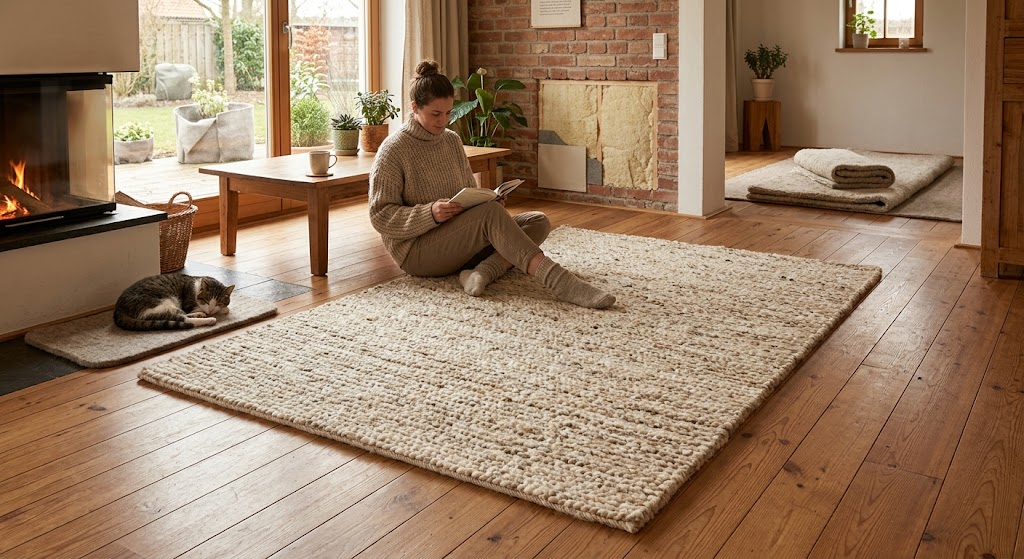
One of the most popular uses for a wollmatte is as a soft floor covering. Hardwood, tile, and concrete floors look nice, but they can feel freezing cold on bare feet. Placing a thick wool mat next to your bed or in the living room changes everything. It creates a soft landing spot every single morning. Because wool is naturally tough, these floor mats handle daily foot traffic with ease. They also add rich texture and visual warmth to your interior decor. Whenever I walk onto a wool mat, the cozy texture instantly makes the entire room feel more welcoming and peaceful.
Smart Building Insulation Uses
Did you know that wollmatten are also used inside walls and roofs? Builders love using sheep wool insulation mats because they perform exceptionally well. These thick rolls fit neatly between wooden frames in houses. They help regulate indoor temperatures by keeping heat inside during winter and blocking outdoor heat during summer. Furthermore, wool insulation helps dampen loud noises. It absorbs sound waves so that rooms feel quieter and more peaceful. Choosing natural wool for building insulation is a smart, green choice that keeps your living spaces comfortable all year round.
Peaceful Yoga and Meditation Spaces
If you love stretching, relaxing, or practicing mindfulness, a specialized wollmatte can upgrade your routine. Standard rubber exercise mats can feel thin and cold against a hard studio floor. Wool yoga mats provide a thick, plush surface that cushions your knees, elbows, and hips. They are especially wonderful for slow practices like Yin yoga or meditation where you stay still for a long time. The gentle warmth of the wool helps your muscles relax deeply. Rolling out a soft wool mat creates an instant sanctuary of calm right in the corner of your bedroom.
Clever Garden and Plant Care Ideas
Gardeners have also discovered brilliant ways to use wollmatten outdoors. Specially treated wool mats can be placed flat on the soil around your favorite plants and flowers. These garden mats act as a natural blanket that blocks sunlight from reaching annoying weeds. Without sunlight, weeds cannot grow. At the same time, the wool cover helps trap moisture in the earth, meaning you do not have to water your plants as often. As an added bonus, these eco-friendly mats slowly break down over time, feeding helpful nutrients back into the garden soil.
Creative DIY Crafting Projects
Craft lovers enjoy working with leftover pieces of wollmatten because the material is so versatile. You can easily cut thick wool felt with sharp scissors to create custom projects. For example, you can make tiny, cozy beds for your cats or dogs. Pets adore the natural warmth of sheep fleece. You can also cut out fun shapes to make festive holiday ornaments or table coasters that protect your wooden furniture from hot mugs. Sewing a few small pieces together allows you to design unique wall hangings that add bright colors and artistic flair to any dull space.
Simple Steps for Proper Care
Taking care of your wollmatte is simple if you follow a few basic rules. Wool has a natural outer layer that resists dirt and minor spills. Regular vacuuming or gentle shaking is usually enough to keep dust away. If you spill something sticky, blot the spot gently with a clean damp cloth. Avoid rubbing too hard, as this can damage the fibers. Never wash heavy wool mats in a hot washing machine or put them in an electric dryer, as high heat will shrink them. Always let your wool mat air dry completely in a shaded, well-ventilated spot to keep it fresh and fluffy.
Complete Biography & Product Overview Table
| Feature Detail | Description & Specifications |
| Primary Material | Natural sheep wool and organic fleece |
| Name Meaning | German translation for “wool mats” |
| Main Uses | Floor rugs, insulation, yoga pads, garden covers |
| Key Property | Natural thermal regulation and sound dampening |
| Eco-Friendliness | 100% renewable, biodegradable, and sustainable |
| Maintenance | Spot clean, gentle shaking, and air drying |
Frequently Asked Questions (FAQs)
1. What does the word wollmatten actually mean?
It is a German word that translates directly to “wool mats” in English. It describes any mat made fully or partially from natural sheep wool.
2. Can I wash my wollmatte in a washing machine?
No, it is best to avoid machine washing. High heat and agitation can shrink or ruin the natural wool fibers. Spot cleaning and air drying are much safer.
3. Are wool mats good for people with allergies?
High-quality, clean wool is generally safe, but untreated raw wool can sometimes trap dust. Checking the specific product composition and cleaning history is always recommended.
4. Do wollmatten help save energy in homes?
Yes! When used as building insulation in walls or roofs, wool mats trap warm air and reduce heating costs.
5. Can I use a wollmatte outside in my garden?
Yes, specially designed garden wool mats are wonderful for covering soil. They prevent weeds from sprouting and keep the earth moist for your plants.
6. Do these mats slide around on hard wood floors?
Some wool mats come with a natural latex or non-slip backing. If yours does not, placing a simple grip pad underneath will keep it safely in place.