

Introduction
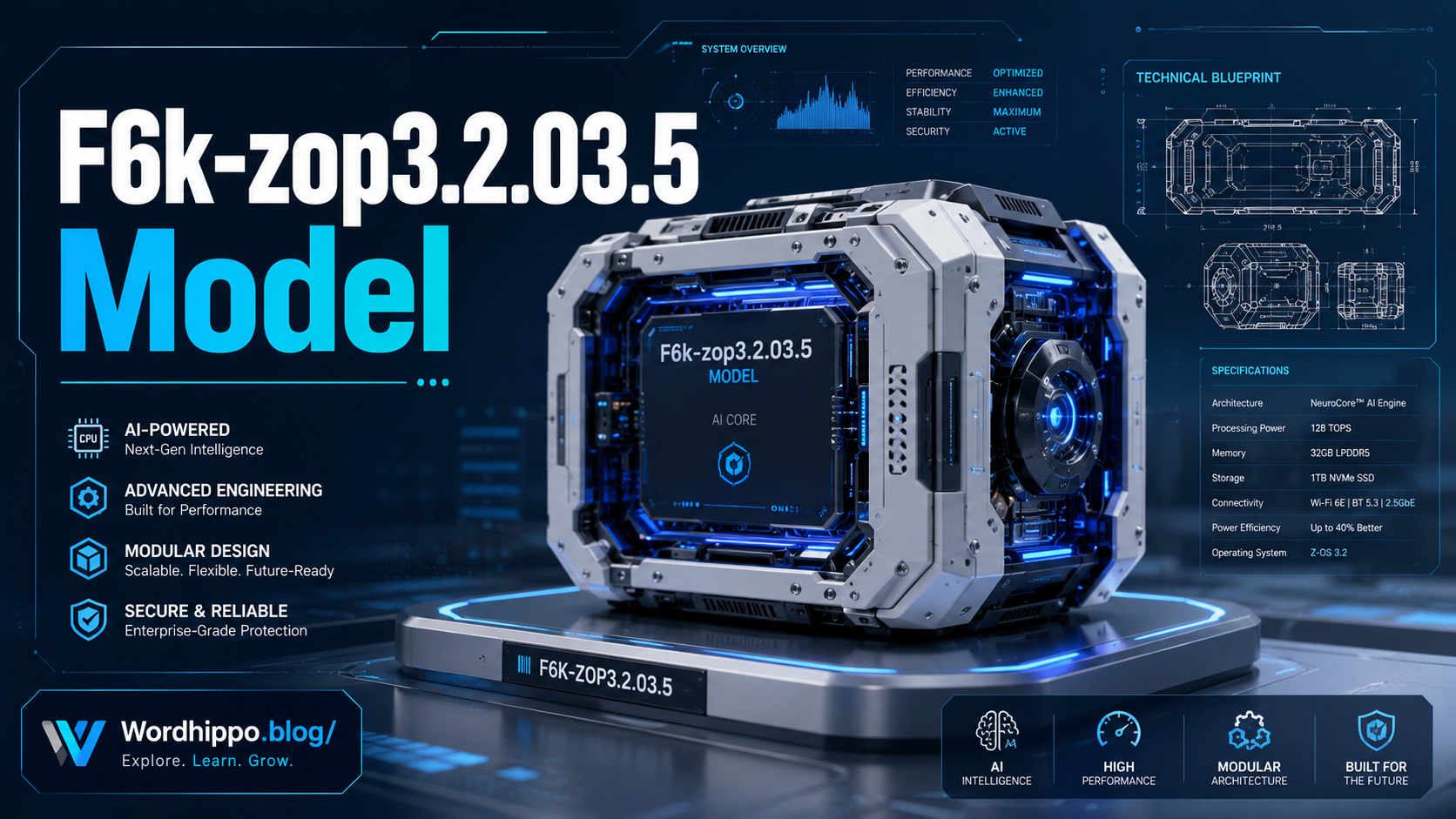
The f6k-zop3.2.03.5 model is increasingly discussed in advanced technical and digital system environments due to its structured design and adaptive capabilities. While its naming convention may appear complex, it represents a highly organized framework used to manage performance, scalability, and modular operations in modern systems.
As industries continue to evolve toward automation and intelligent processing, models like the f6k-zop3.2.03.5 model play a key role in improving efficiency and system reliability. This guide provides a complete breakdown of how the model works, its architecture, and its real-world applications. Whether you are a developer, analyst, or technology enthusiast, understanding this model helps you grasp how modern frameworks are built for high performance and flexibility.
Understanding the f6k-zop3.2.03.5 Model
What the Model Represents
The f6k-zop3.2.03.5 model is essentially a structured identifier used to describe a layered technical system. Its naming format suggests version control, modular updates, and internal configuration tracking. Each segment of the identifier typically reflects a specific iteration or structural layer within the system.
Rather than being a single-purpose tool, this model acts as a framework that supports multiple operational layers. It is designed to maintain order in complex environments where multiple processes run simultaneously, ensuring stability and consistency across operations.
Core Purpose of the Model
At its core, the model is built to improve system coordination and operational efficiency. It allows different modules to function together without conflict, making it suitable for scalable environments.
Its purpose extends to managing performance loads, organizing system tasks, and ensuring that processes remain optimized even under heavy computational demands. This makes it valuable in both experimental and production-level systems.
Key Features of the f6k-zop3.2.03.5 Model
Adaptive Performance Control
One of the most important features of the f6k-zop3.2.03.5 model is its ability to adjust performance dynamically. It can respond to workload changes by reallocating resources or modifying processing behavior.
This adaptive nature ensures that systems remain stable even during high-demand scenarios. It reduces lag, improves response time, and enhances overall system reliability.
Modular Configurability
The model is built with a modular structure, meaning each component can function independently or as part of a larger system. This makes customization easier for developers and engineers.
Modular configurability allows organizations to upgrade or modify specific sections without affecting the entire system. This flexibility is essential for long-term scalability and maintenance.
Hierarchical Processing System
A key strength of the model is its layered processing design. Data and instructions pass through multiple structured levels, ensuring organized handling of operations.
This hierarchy improves clarity in processing and reduces the chances of system errors. It also allows better prioritization of tasks within the system.
Scalability and Efficiency
The f6k-zop3.2.03.5 model is designed to scale efficiently as system demands grow. It can handle increased workloads without significant performance degradation.
This scalability makes it suitable for large-scale applications where data volume and processing requirements change frequently.
Architecture of the f6k-zop3.2.03.5 Model
Structural Design Overview
The architecture of the model is based on layered integration, where each layer performs a specific function. These layers work together to ensure smooth data processing and system coordination.
This design improves clarity in operations and allows developers to isolate issues without disrupting the entire system.
Data Flow Mechanism
Data within the f6k-zop3.2.03.5 model follows a structured flow from input to processing and output. Each stage is carefully controlled to ensure accuracy and efficiency.
This controlled data movement reduces redundancy and ensures that only relevant information is processed at each stage.
System Integration Capabilities
The model is designed to integrate with multiple external systems and platforms. This compatibility makes it useful in hybrid environments where different technologies need to work together.
Integration capabilities also support smoother communication between software components, improving overall system performance.
Stability and Reliability Framework
A major focus of the architecture is stability. The model includes mechanisms that detect errors and maintain system balance during unexpected conditions.
This reliability ensures continuous operation even under stress, making it suitable for mission-critical applications.
Working Mechanism of the Model
Initialization Process
When activated, the model begins by initializing its core modules and verifying system readiness. This setup phase ensures that all components are properly aligned before processing begins.
Initialization also helps detect potential conflicts early, reducing system errors during operation.
Processing Workflow
Once initialized, the model processes tasks through its hierarchical layers. Each layer performs a specific function, contributing to the final output.
This structured workflow ensures consistency and accuracy in processing, even when handling complex data sets.
Output Generation System
After processing, the model generates outputs based on optimized calculations and filtered data. These outputs are refined through multiple validation steps.
This ensures that results are accurate, reliable, and suitable for further use in connected systems.
Applications and Use Cases
Industrial Applications
In industrial environments, the f6k-zop3.2.03.5 model is used to optimize automated systems and production workflows. It helps manage machine operations and improve efficiency.
Its ability to handle large-scale processes makes it valuable in manufacturing and logistics sectors.
Software and Technology Systems
The model is widely applicable in software development environments where modular and scalable systems are required. It supports backend operations and system coordination.
Developers use it to build structured applications that require stable performance under varying loads.
Data Processing and Analytics
In data-heavy environments, the model helps organize and process large datasets efficiently. It ensures that information is filtered and structured properly for analysis.
This improves decision-making processes by providing clean and reliable data outputs.
AI and Machine Learning Integration
The model can also be integrated into AI systems to enhance learning and decision-making processes. It supports structured data flow, which is essential for training intelligent systems.
This makes it useful in predictive analytics and automated reasoning applications.
Advantages of the f6k-zop3.2.03.5 Model
The model offers several advantages, including improved system efficiency and flexible architecture. Its modular design allows easy upgrades and customization.
It also provides strong stability under high workloads, making it suitable for enterprise-level applications. Additionally, its scalability ensures long-term usability across evolving systems.
Limitations and Challenges
Despite its strengths, the model comes with certain challenges. Its complexity can make implementation difficult for beginners or small-scale projects.
It may also require specialized knowledge for maintenance and optimization. Additionally, compatibility with older systems can sometimes be limited, requiring additional integration efforts.
Future Potential of the Model
The f6k-zop3.2.03.5 model has strong potential for future development. As technology evolves, it is likely to become more efficient and easier to implement.
Future versions may include enhanced automation, better integration capabilities, and improved performance optimization features. Its role in advanced computing systems is expected to grow significantly.
Conclusion
The f6k-zop3.2.03.5 model represents a structured and adaptable framework designed for modern technical environments. Its layered architecture, modular design, and scalable nature make it suitable for a wide range of applications.
Understanding this model provides insight into how complex systems are built and managed efficiently. As industries continue to demand higher performance and flexibility, such models will remain essential in shaping future technologies.
FAQs
What is the f6k-zop3.2.03.5 model used for?
It is used for structured system processing, performance optimization, and modular system management in complex technical environments.
Is the f6k-zop3.2.03.5 model suitable for large-scale systems?
Yes, it is designed with scalability in mind and can handle large workloads efficiently.
What makes this model different from traditional systems?
Its modular and hierarchical design allows better flexibility, control, and performance optimization compared to traditional structures.
Can the model be customized for specific applications?
Yes, its modular nature allows developers to modify and adapt components based on specific needs.
What industries benefit most from this model?
Industries like software development, data analytics, manufacturing, and AI systems benefit the most from its structure and efficiency.